anyoption · etrader
Creative direction and UI system design for a high-volume binary options trading platform: built for real-time financial decisions, multi-language markets, and the transition from web to early mobile.
A new category of trading, with no visual language to borrow from.
Binary options trading was emerging as a new financial product in 2008. anyoption.com was among the first platforms to bring it online at scale, targeting retail investors across Europe and Asia. There were no established UX conventions: no patterns to follow, no competitive reference points that were doing it well.
I joined as the first creative hire, working directly with three founders and a small engineering team. The challenge was to build a complete UI system from scratch: one that could handle live financial data, support rapid decisions under pressure, and scale across international markets.
Everything, the trading interface, the marketing system, the mobile transition, was designed in-house.
My role
Creative Director: sole designer for the first 18 months, then team lead. Responsible for all product UI, marketing systems, and brand across two platforms.
Timeline
2008 to 2011 · anyoption.com + etrader.co.il
What I owned
- Core trading UI architecture
- Multi-language interface systems
- Marketing funnel (email, banners, landing pages)
- Early mobile adaptation (iOS)
High-stakes decisions in real time, the UI couldn't afford to confuse.
Binary options trading requires immediate decision-making under financial pressure. Users are watching live price movements and placing bets on direction with a countdown clock running. The interface must communicate risk, timing, pricing, and execution state with zero ambiguity.
At the time, trading UX was often visually chaotic: dense data without hierarchy, unclear states, no trust signals. The challenge was to build something that felt controlled and legible at exactly the moment users were most stressed.
- Real-time volatility: UI must handle live data without cognitive overload. Numbers change constantly; layout can't shift.
- Financial trust: Users must understand execution states clearly. Ambiguity costs money and destroys retention.
- High emotional pressure: Design must reduce panic and mis-click risk during active trades.
- 7+ language markets: Interface and marketing systems had to work across RTL and LTR layouts.
- Early mobile adaptation: Transition from desktop-first to mobile before mobile design patterns were established.
What the system was built around
Every design decision traced back to one question: what does a user need to understand in the next three seconds to act correctly?
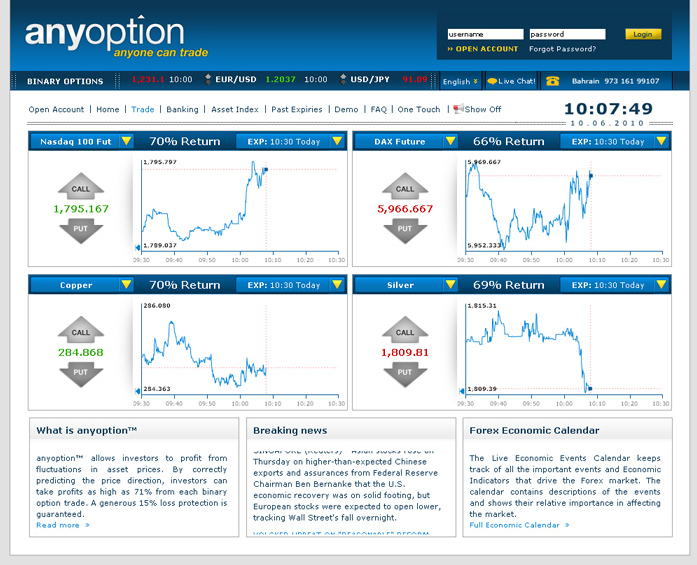
- Separated data density from decision hierarchy. The dashboard shows many assets simultaneously, but visual grouping ensures the active trade module always reads first.
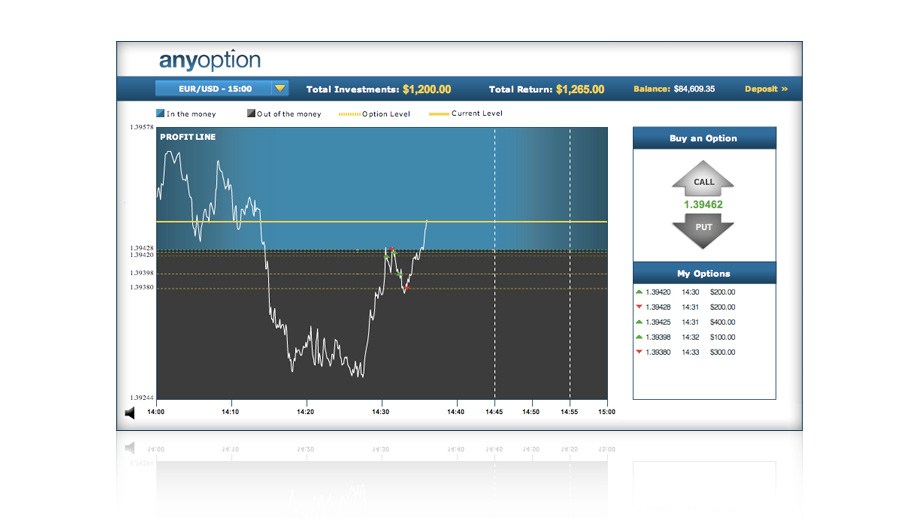
- Standardized execution states across the platform. Every trade state, pending, active, expiring, won, lost, has a consistent visual language. No ambiguity about what's happening.
- Built a pattern library before it was called that. With 7+ languages, inconsistency at scale was a real risk. Components were documented and reused rather than recreated per market.
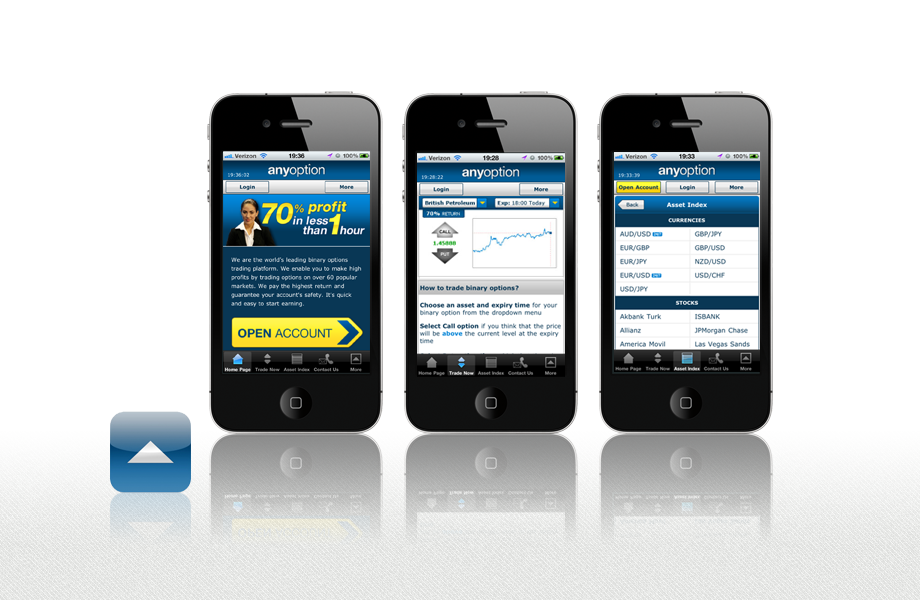
- Designed for the mobile transition before mobile UX was standard. Simplified the trading flow for small screens while preserving signal clarity, no feature parity shortcuts that would break trust.
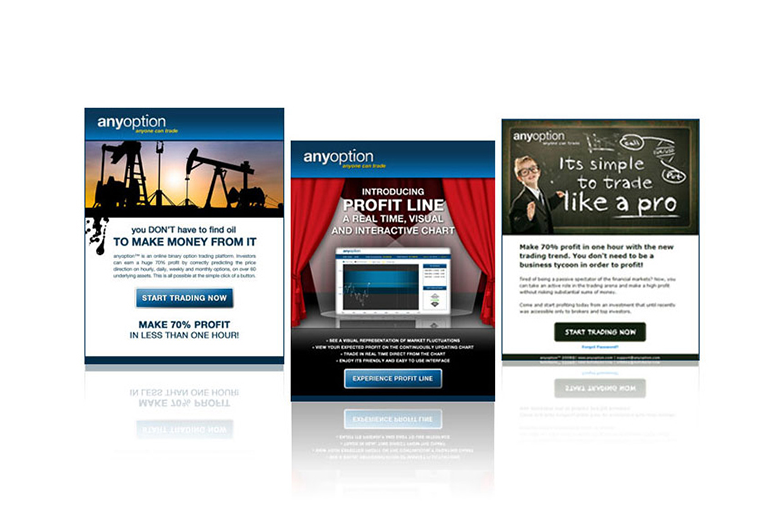
- Marketing system built to match product UI, not exist separately. Email campaigns, banners, and landing pages used the same visual language as the platform, reducing cognitive switching for users moving between contexts.
The trading system: desktop, mobile, and marketing
Desktop Trading System
Design decision
Visual grouping keeps each trading module self-contained. Users can monitor multiple assets without losing track of which trade is live.
Execution & Risk Visibility
Early Mobile Adaptation (iOS)
Multi-language Marketing System
What the work produced
A complete UI system built from scratch in a new product category: scalable, multi-market, and trusted with real financial decisions.
Consistent trading interface adopted across international markets: the UI system scaled to 7+ languages without fragmentation or inconsistency.
Execution states and trust signals standardized: reduced user confusion at the moment of highest financial and emotional pressure.
Reusable UI pattern library established: enabled faster shipping as new features and markets were added without redesigning from zero.
Mobile adaptation delivered before mobile UX conventions existed: the platform had a functional iOS experience early in the smartphone era.
Marketing system aligned with product: email, banners, and landing pages used the same visual language, reducing cognitive switching across the funnel.